Santa Barbara
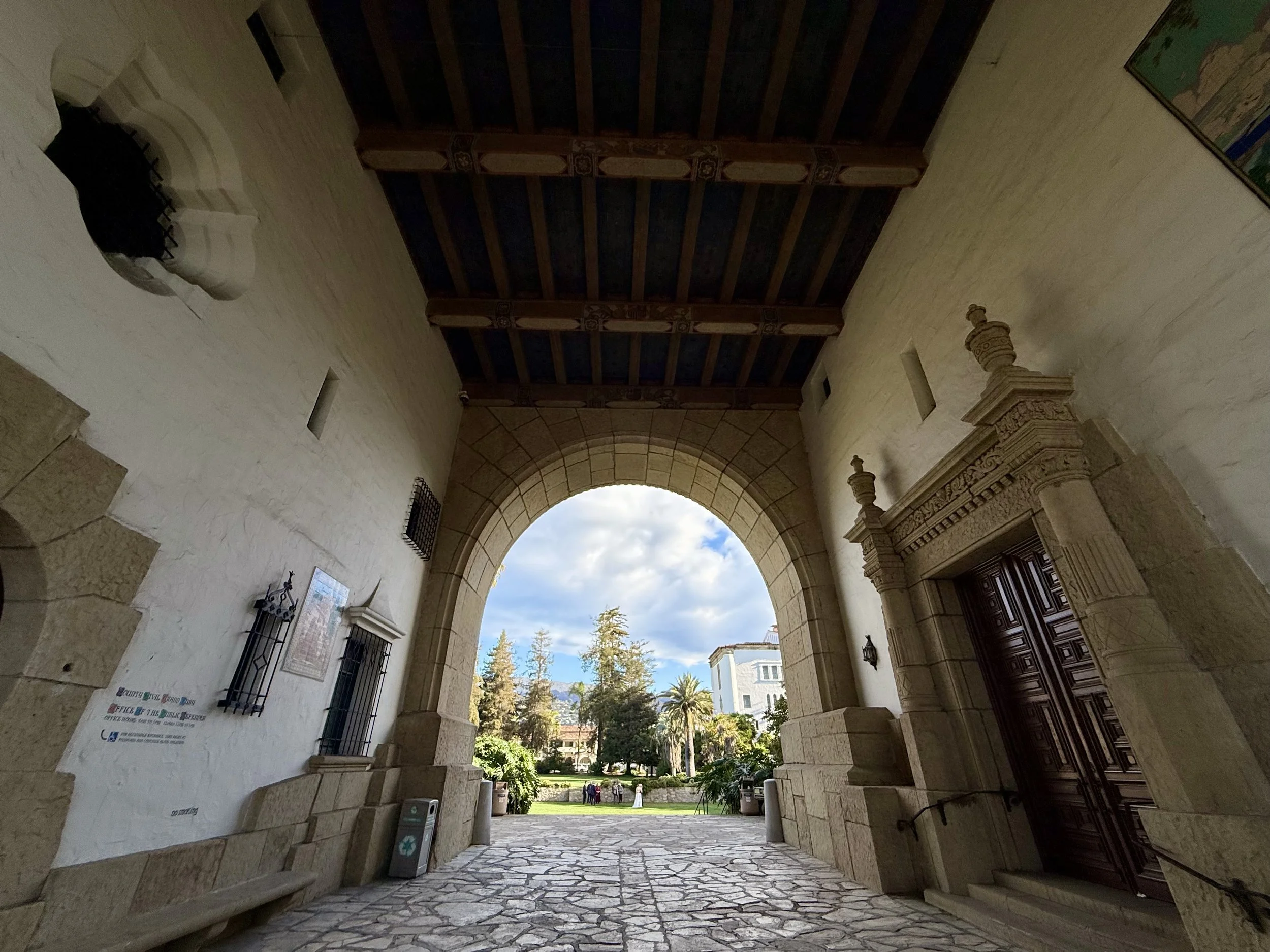
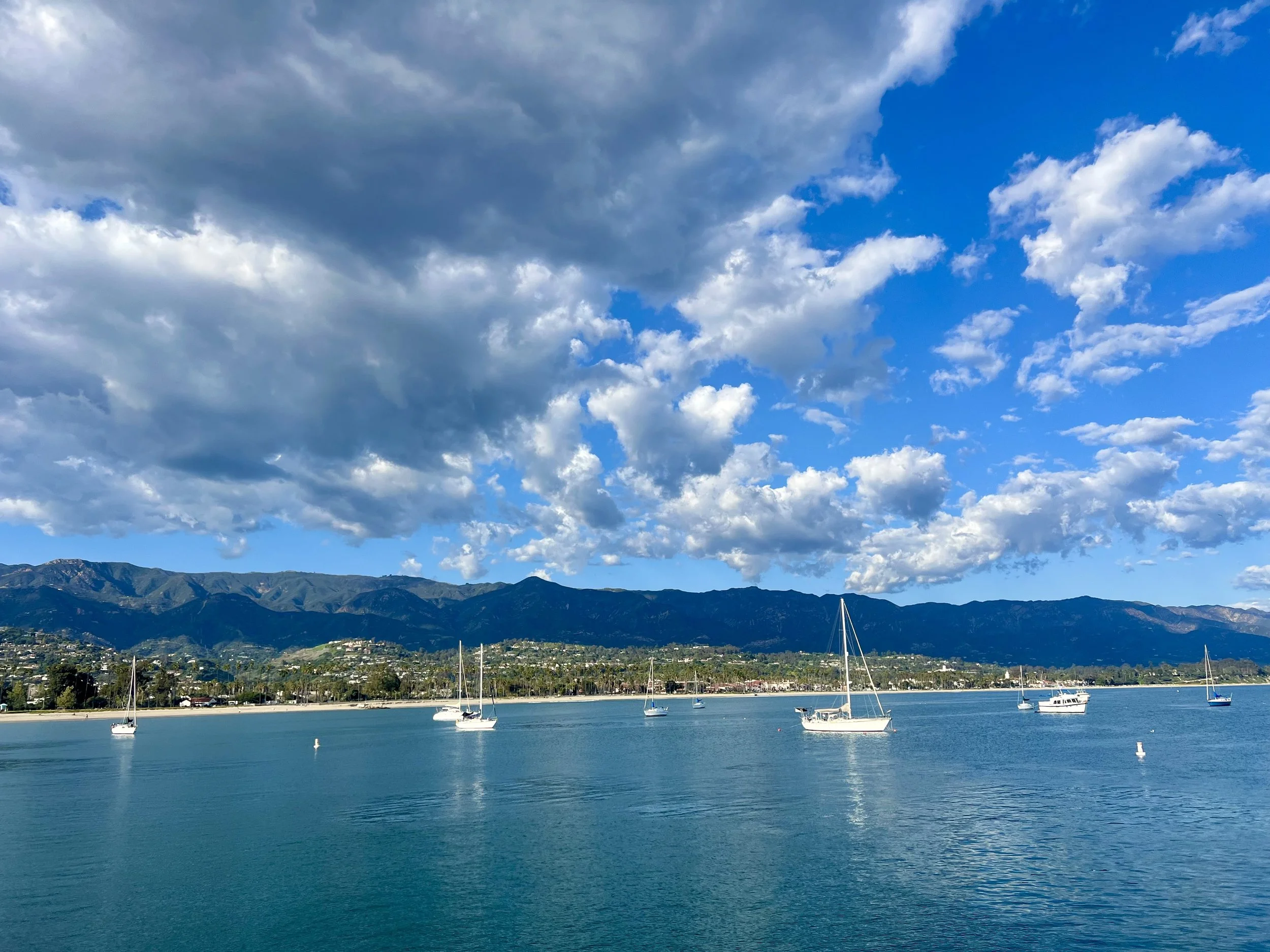
Santa Barbara, California, is a picturesque coastal city known for its Mediterranean-style architecture, beautiful beaches and year-round near perfect climate. Nestled between the Santa Ynez Mountains and the Pacific Ocean, Santa Barbara boasts stunning natural scenery and offers a variety of outdoor activities from biking and hiking to surfing and wine tasting in the nearby vineyards of the Santa Ynez Valley. The city's vibrant cultural scene includes world-class museums, galleries, and theaters as well as the historic Santa Barbara Mission and the County Courthouse. State Street is tree lined with boutiques, restaurants, and cafes. Whether you're a nature enthusiast, a history buff, or a foodie, Santa Barbara has something to offer everyone.
Welcome
Santa Barbara's history spans over 13,000 years, beginning with the indigenous Chumash people who established sophisticated coastal communities before Spanish colonization in 1782 with the founding of the Presidio and Mission Santa Barbara. Following Mexican independence in 1821 and American acquisition in 1848, the city evolved from a Spanish colonial outpost into a cattle ranching center during the Mexican period, then transformed into an exclusive resort destination in the late 1800s when the arrival of the railroad brought wealthy visitors seeking its Mediterranean climate. The devastating 1925 earthquake became a defining moment, as the city embraced a unified Spanish Colonial Revival rebuilding effort that created today's distinctive architectural character, while the 20th century brought aerospace industry growth, UC Santa Barbara's establishment, and development as both a cultural center and affluent coastal community that carefully balances preservation of its historic charm with modern prosperity
History
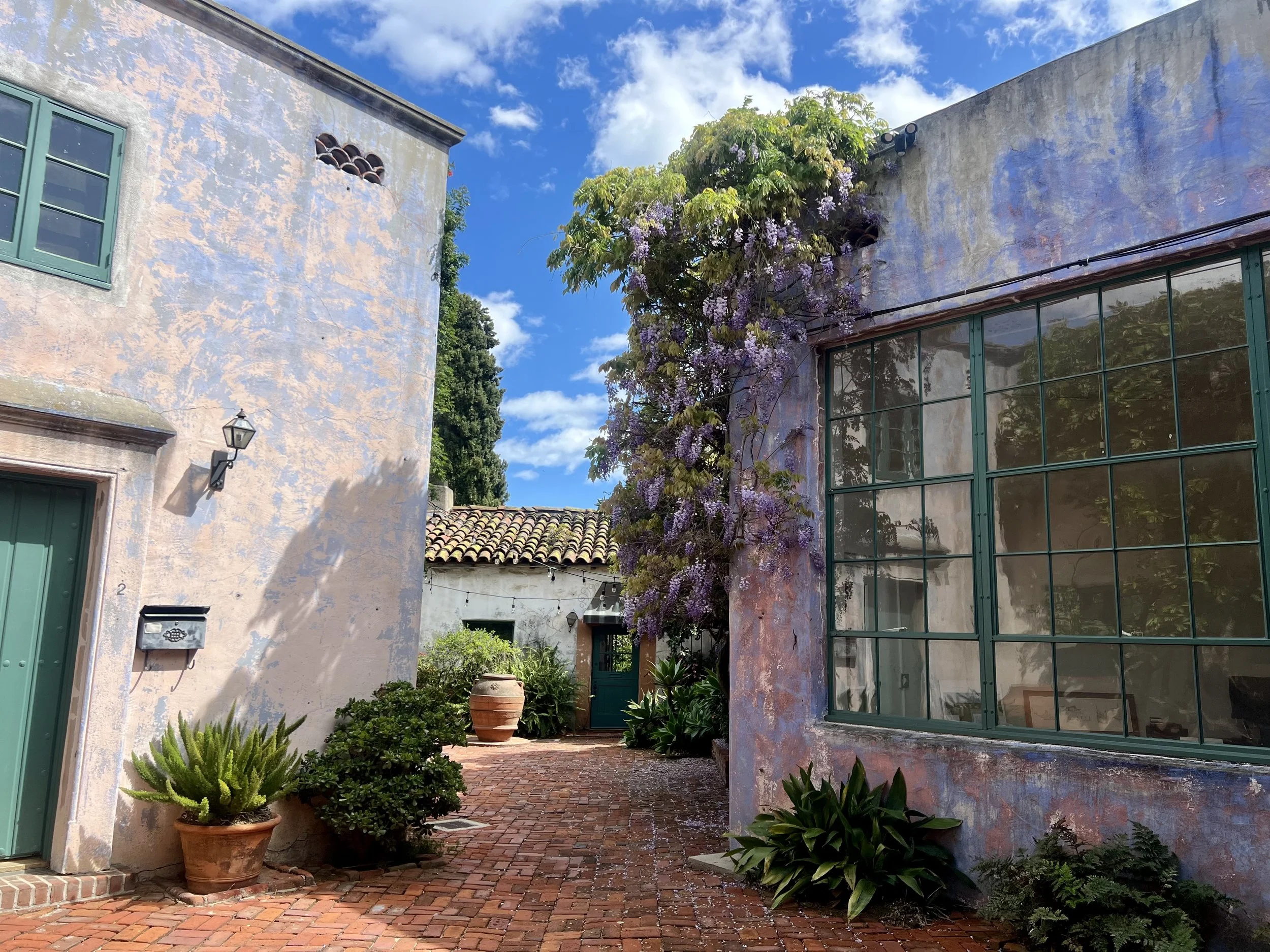
Santa Barbara's architecture is predominantly Spanish Colonial Revival, established after the city's unified rebuilding following the 1925 earthquake, characterized by white or cream stucco walls, red clay tile roofs, wrought iron details, arched windows and doorways, interior courtyards, and ornate decorative elements that create the city's distinctive Mediterranean aesthetic. This cohesive architectural vision extends throughout the downtown core and many residential neighborhoods, complemented by original Mission architecture at the historic Santa Barbara Mission (1786), Craftsman bungalows and Victorian homes in older neighborhoods, and contemporary structures that must conform to strict design guidelines ensuring compatibility with the established Spanish Colonial Revival character that defines the city's unique visual identity.
Santa Barbara's most influential architects include George Washington Smith, the pioneer of Spanish Colonial Revival who established the city's signature style in the 1910s-1920s with iconic estates; Reginald Johnson, who co-designed the stunning Santa Barbara County Courthouse along with William Mooser III (1929); Winsor Soule, who created El Paseo and helped establish the post-1925 architectural guidelines; Lutah Maria Riggs, one of California's first prominent female architects who designed elegant residences and public buildings; and Jeff Shelton, known for his whimsical yet historically-sensitive designs and (Marc) Appleton & Associates who continue the tradition of refined residential architecture that honors Santa Barbara's distinctive aesthetic while incorporating modern functionality
Architecture
Mission Rose Garden
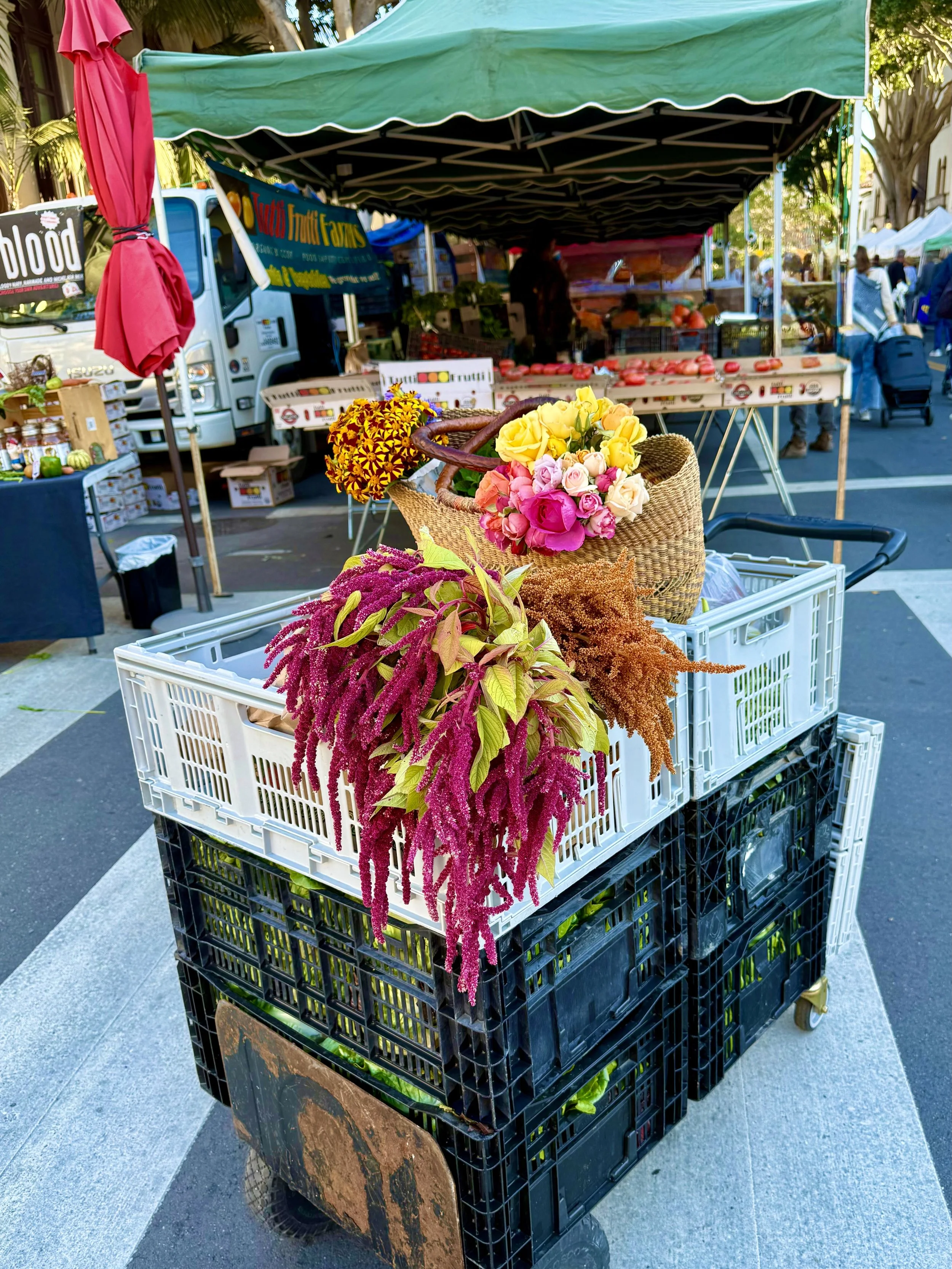
Certified Farmer’s Market
Summerland Shopping
County Courthouse
Funk Zone
Santa Ynez Wine Tasting
Lotusland
El Presidio
Hope Ranch
Botanic Gardens
Historical Museum
Padaro Lane
Zoo
APS (Alameda Padre Serra) Drive
Biking & Hiking
The Honor Bar